Cockpit UV-A Risks: In-Flight Evidence vs. Common Myths
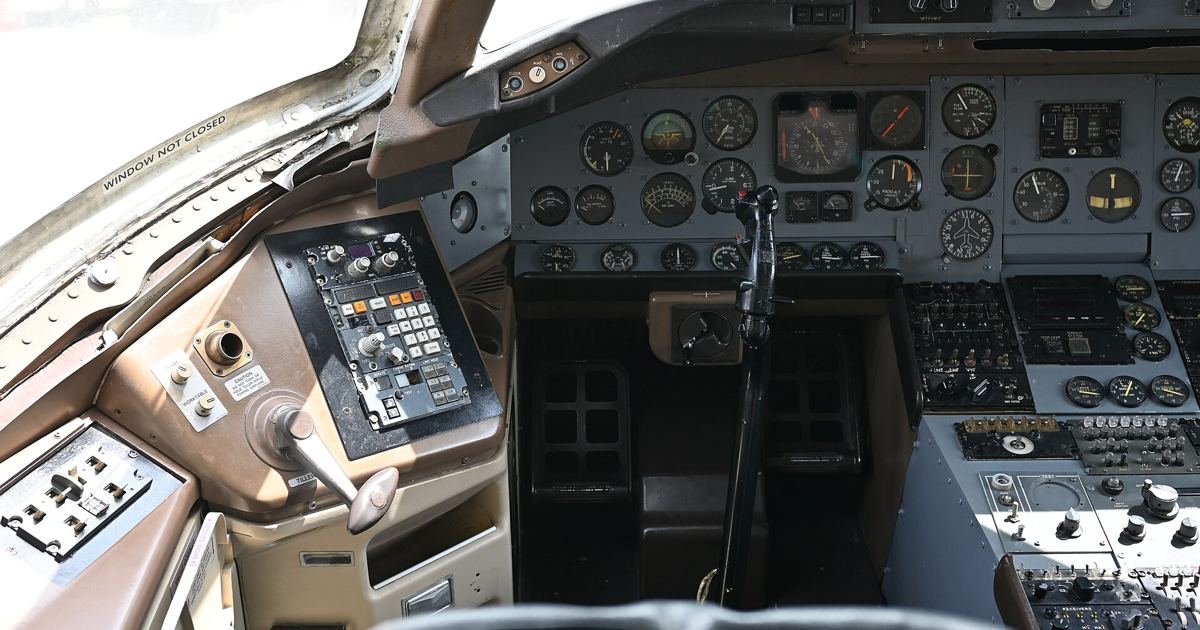
Working in commercial aviation places flight crews thousands of feet above the densest parts of the earth's atmosphere. Because solar radiation intensifies at higher altitudes, many people assume that the cockpit environment subjects airline pilots to dangerous, continuous blasts of ultraviolet radiation during their shifts. Evaluating occupational risks for skin and ocular health requires looking closely at objective field data rather than assumptions. Anyone concerned about occupational ultraviolet exposure or changes in their skin should consult a board-certified dermatologist for clinical skin evaluations.
Myth: Cockpits Expose Flight Crews to Extreme Erythemal Radiation
A widespread assumption is that sitting behind commercial flight deck windows leads directly to high erythema effective doses—the type of ultraviolet radiation responsible for noticeable sunburn. However, real-world measurements from an observational study published in Aerospace Medicine and Human Performance paint a far more nuanced picture. In the study titled In-Flight UV-A Exposure of Commercial Airline Pilots, researchers recorded the in-flight ultraviolet exposure experienced by commercial airline pilots operating across three different seasons.
The investigation gathered direct data across 322 Monarch Airlines short-haul flights originating from 4 UK airports and traveling to 31 destinations, mostly located throughout Europe. The flights were conducted between September 2016 and August 2017 using two specific commercial aircraft types: the Airbus A321-231 and the Airbus A320-214. When looking at erythema effective radiant doses across all monitored sectors, the recorded levels did not exceed 0.1 SED. These findings demonstrate that modern commercial aircraft windshield structures block the vast majority of sunburn-inducing wavelengths under routine flight conditions.
Myth: Pilots Consistently Face Higher Monthly UV Doses Than Ground Workers
Another frequent belief is that an airline pilot’s occupational routine automatically produces higher cumulative monthly ultraviolet exposure than typical office-based employment on the ground. The 2020 observational study evaluated this by comparing measured in-flight doses to the typical recreational weekend exposure of UK office workers recorded over an equivalent period.
The data demonstrated that the average monthly exposures recorded for the pilots were low. In fact, these occupational cockpit readings were significantly below the recreational weekend exposures accumulated by UK office workers. For the vast majority of the short-haul flights monitored, general UV-A exposure levels also remained low. Simply working inside a flight deck does not automatically result in higher monthly ambient ultraviolet radiation doses than spending leisure time outdoors on ordinary days off.
Evidence: Targeted Flight Segments Can Still Expose Eyes to UV-A Risks
While general background levels remained low, the data showed that pilot safety cannot be taken for granted. Long-wave ultraviolet radiation (UV-A) penetrates standard glass materials far more readily than shorter erythemal waves. The authors evaluated pilot exposures against guidance established by the International Commission on Non-Ionizing Radiation Protection (ICNIRP).
The study found that on 27 single sector flights, UV-A exposure could have exceeded the ICNIRP guidance if appropriate eye protection was not used. This highlights the crucial role of personal protection equipment, such as proper sunglasses and UV eye defense, in occupational flight environments. Cockpit geometry and flight direction mean that when direct sunlight enters the flight deck unshielded, UV-A radiation levels can climb quickly enough to surpass accepted occupational guidelines for unprotected eyes.
Study Limitations and What Governs Cockpit Radiation Levels
It is essential to interpret this data as a single observational study with defined limits rather than an exhaustive survey of all aviation sectors. The research focused strictly on short-haul commercial routes across Europe on two specific Airbus airframes within a single airline over a defined time window. It did not evaluate long-haul transoceanic routes, higher-altitude corporate jets, or different windshield materials, all of which alter ultraviolet penetration through windows.
According to the study authors, ultraviolet exposure inside a flight deck is primarily governed by specific flight dynamics and environmental variables:
- Direct Sunlight: The presence and angle of unblocked, direct solar rays entering the cockpit windows.
- Sector Duration: The exact duration of each flight segment spent cruising under direct sun.
- Windshield Properties: The specific ultraviolet attenuation characteristics of the individual aircraft windshields.
- Flight Routes: The geographic destinations and flight paths flown across different latitudes.
- Accumulative Flight Time: Total career hours accumulated in the air over months and years.
- Personal Leisure Habits: Off-duty time spent outdoors, which must be factored in alongside flight time before assessing total personal risk for ocular and cutaneous pathologies.
Clinical Takeaways for Flight Crews and Outdoor Workers
Understanding occupational UV exposure helps pilots and outdoor workers separate genuine hazards from common misconceptions. While modern flight deck materials prevent acute sunburn by keeping erythemal doses under 0.1 SED, direct sunlight during specific flight legs presents real UV-A exposure that warrants consistent eye protection and regular dermatological surveillance. Flight crews, just like ground-based workers, should rely on regular skin checks with a qualified doctor to monitor for early signs of skin and ocular damage rather than relying on unapproved tanning products or assuming their occupational environment is completely risk-free.
Sources
Details and observational findings cited in this article are derived directly from the following peer-reviewed publication:
In-Flight UV-A Exposure of Commercial Airline Pilots (Aerospace Medicine and Human Performance, 2020).
Published October 31, 2026. Sources are linked in the text. See our Medical Disclaimer.