Sunglasses and UV: how to protect your eyes in the sun and tanning beds
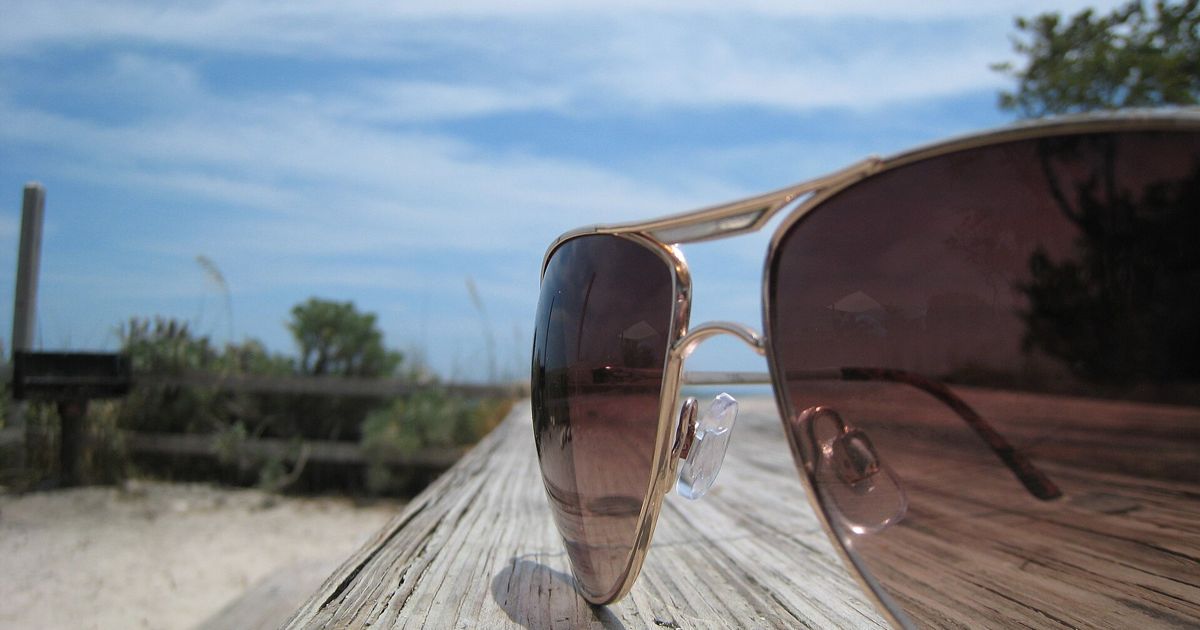
Most sun-safety advice focuses on skin, but ultraviolet light also affects the eyes and the thin skin around them. If you spend a lot of time outdoors, or use tanning beds, eye protection deserves the same attention as sunscreen.
How UV affects the eyes
The American Academy of Ophthalmology: Sun and eye health explains that UV exposure is linked to eye problems including cataracts, growths on the eye's surface (such as pterygium), and cancers of the eyelid and skin around the eye. Intense exposure, for example from snow, water or sand glare, can cause a painful sunburn of the cornea called photokeratitis.
What to look for in sunglasses
- 100% UV protection: look for labels that say they block 100% of UVA and UVB, or "UV400."
- Coverage: larger or wraparound frames block more light from the sides.
- Darkness is not protection: dark lenses without UV filtering can let more UV reach the eye because pupils widen.
- Polarized lenses cut glare, which helps comfort, but polarization alone doesn't mean UV protection.
- Price: expensive doesn't mean more UV protection; the label matters.
Don't forget hats and timing
A wide-brimmed hat blocks a large share of UV from above. UV is strongest in the middle of the day and is high even on hazy or cloudy days (see the UV index explained). The American Academy of Dermatology: Sun protection recommendations include sunglasses alongside shade, clothing and sunscreen.
Tanning beds and the eyes
Tanning beds emit concentrated UV. Closing your eyes isn't enough, because eyelids are thin. Federal rules require tanning beds to come with protective eyewear, and you should always use it. Better still, skip indoor tanning (see tanning beds and UV risk) and choose sunless options.
Protect the skin around your eyes
Eyelid skin cancers are possible. Use a sunscreen labeled safe for the face and eye area, and remember your sunglasses also protect this skin. Some medicines increase sun sensitivity, including for the eyes (see photosensitivity explained).
If you notice eye pain, vision changes or a growth on your eye or eyelid, see an eye doctor.
Published October 27, 2026. Sources are linked in the text. See our Medical Disclaimer.