Tanning Bed Regulations and Health: What the 2016 Review Found
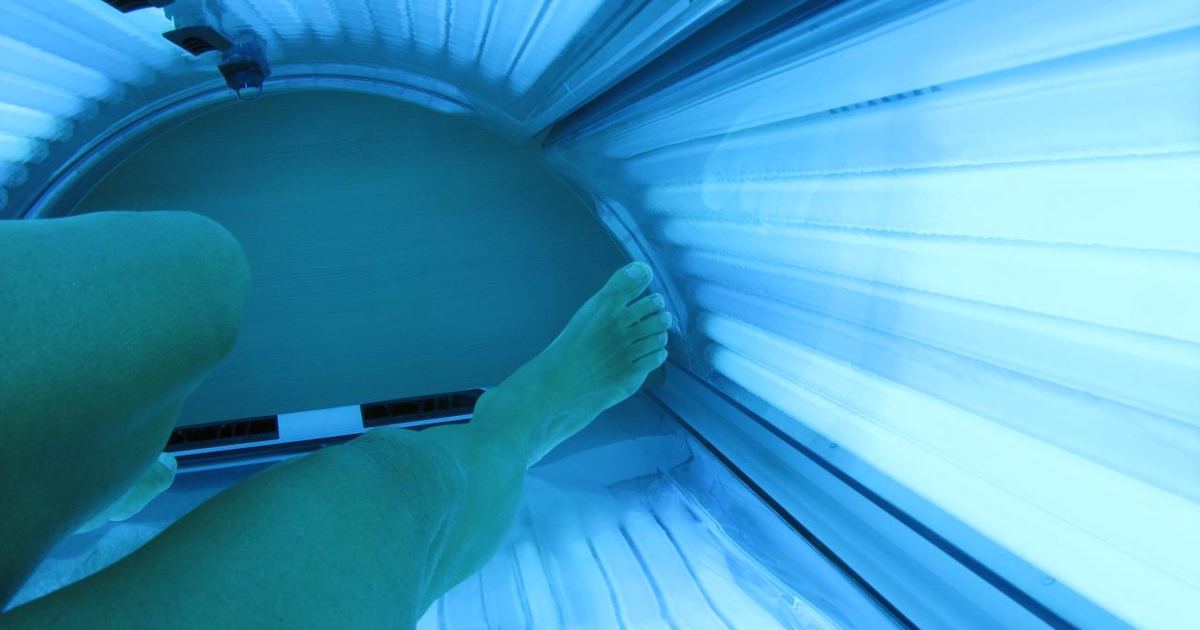
Indoor tanning equipment first emerged on the consumer market in the early 1970s. Over the subsequent decades, the practice gained widespread popularity, but this growth was accompanied by escalating clinical concern regarding the severe biological harms of artificial ultraviolet exposure. Public health authorities and regulatory agencies eventually responded with legislative restrictions and medical device classifications designed to limit exposure and curb dangerous habits. In a review paper titled Tanning beds: Impact on health, and recent regulations, published in Clinics in Dermatology, researchers evaluated how these evolving policies intersect with documented health hazards.
The Documented Harms: What Clinical Research Revealed
The 2016 review summarized clinical research demonstrating clear associations between indoor tanning and multiple serious medical outcomes. Rather than functioning as a benign cosmetic routine, artificial tanning exposes users to concentrated radiation that triggers lasting biological consequences. The paper highlighted several specific risks documented across medical literature:
- The subsequent occurrence of melanoma, the deadliest form of skin cancer.
- The development of nonmelanoma skin cancers affecting various skin layers.
- The emergence of psychologic dependence, where individuals experience compulsive tanning behaviors.
- A measurable tendency toward engaging in other high-risk health behaviors.
These findings established that the consequences of sunlamp use extend beyond superficial burns, posing substantial systemic and behavioral challenges that complicate personal health management.
What the 2016 Study Found: Policy Measures and Oversight
In response to mounting medical evidence detailing these hazards, regulatory bodies implemented specific statutory actions to mitigate population-level exposure. The review highlighted that legislative action gained significant traction across the United States. Specifically, access to tanning beds by minors became legally restricted in 42 states as well as the District of Columbia. These age-based legal boundaries aimed to shield younger individuals from initiating tanning habits during vulnerable developmental periods, a topic explored further in our overview of minor tanning bed laws.
Beyond state-level youth access restrictions, the review detailed significant federal intervention. The Food and Drug Administration reclassified indoor tanning beds into class II medical devices. This regulatory shift designated sunlamps as products worthy of federal restrictions and ongoing oversight, moving them away from more lenient classifications. Together, the restriction of youth access in 42 states, the District of Columbia measures, and the federal class II categorization represented a coordinated policy push to address artificial ultraviolet risks through administrative controls.
Observed Cultural Shifts Noted in the Review
The author noted that these regulatory labors began yielding measurable societal effects. According to early evidence cited in the study, public policy interventions and formal warnings have contributed to an observable cultural change regarding tanning attitudes. As legal barriers increased and federal classifications emphasized device hazards, public awareness began to shift away from viewing indoor tanning as an innocuous leisure activity.
However, the paper emphasized that regulatory milestones alone do not signify an end to the problem. Continued efforts remain necessary to further limit exposure, counter persistent misinformation, and ensure that the general public fully understands the dangers associated with indoor tanning equipment.
What the Study Does Not Prove: Design and Analytical Limits
When evaluating these findings, it is essential to recognize the precise design and limitations of the published paper. The work is a single narrative review article rather than an interventional trial or a prospective cohort study. Because of this structure, there are several conclusions the paper cannot substantiate:
- No proof of direct causation in cancer reduction: The paper highlights associations between tanning and disease, as well as the passage of laws, but it does not measure long-term drops in lifetime cancer incidence directly caused by the enactments. Epidemiologic changes in skin cancer rates require decades of observation.
- No evaluation of individual compliance rates: The review records that 42 states and the District of Columbia enacted restrictions for minors, but it does not audit how consistently tanning facilities enforce these age limits across individual jurisdictions.
- No assessment of unregulated tanning methods: The study evaluates indoor tanning beds and sunlamp regulations; it does not evaluate how individuals might substitute other unapproved methods, such as unlicensed peptides sold online, when commercial beds are restricted.
Recognizing what one review shows versus what it leaves unexamined ensures that public health guidelines are interpreted realistically and without overstatement.
Navigating Device Risks and Clinical Guidance
Understanding device safety and the scientific basis behind tanning bed UV risk underscores why health agencies treat artificial ultraviolet exposure as a major medical concern. Commercial marketing has historically minimized these hazards, but regulatory classifications confirm that sunlamps require strict boundaries. Consumers should be cautious of unverified wellness trends or unregulated compounds marketed for rapid pigmentation.
Because individuals possess unique risk profiles based on personal health history and genetics, policies cannot replace personalized evaluation. Anyone concerned about past tanning bed exposure, new skin growths, or changing lesions should bypass commercial beauty advice and schedule an exam with a qualified board-certified dermatologist or doctor.
Sources
Published October 30, 2026. Sources are linked in the text. See our Medical Disclaimer.