Tyrosinase and Melanin Synthesis: A Key Numbers Breakdown
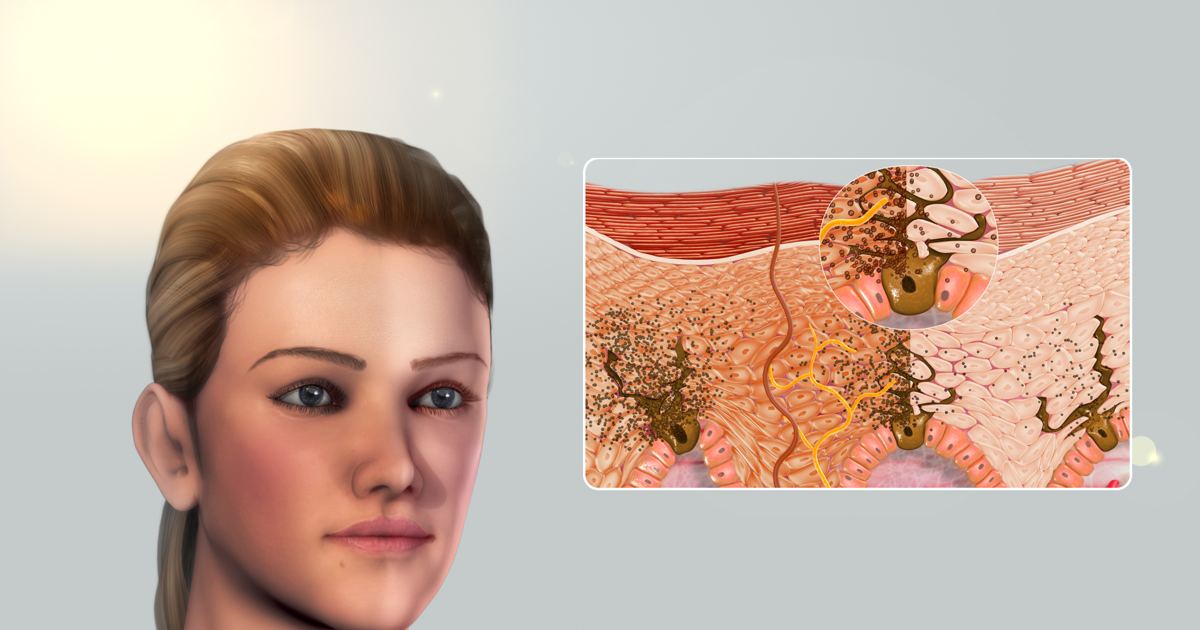
Human pigmentation relies on an intricate cascade of biochemical reactions operating within specialized cells known as melanocytes. At the center of this protective mechanism is tyrosinase, an enzyme directed by the TYR gene that initiates the synthesis of epidermal melanin. Consumers researching tanning peptides often encounter claims regarding induced pigmentation, yet products like melanotan I and II distributed online remain unapproved and unregulated by medical authorities. Understanding how natural skin pigmentation functions begins with the basic biological pathway of tyrosinase. Anyone with questions regarding skin pigment changes, mole developments, or photoprotection should speak directly with a board-certified dermatologist or doctor.
Key Figure 1: The First Step in the Melanin Pathway
Melanin synthesis does not happen spontaneously; it requires a tightly controlled catalyst to transform fundamental nutritional components into specialized pigments. According to TYR gene: MedlinePlus Genetics, tyrosinase is responsible for the crucial first step in melanin production. Within melanocytes, tyrosinase acts on an amino acid building block known as tyrosine, converting it into an intermediate chemical compound termed dopaquinone.
Following this primary conversion, a series of subsequent chemical reactions transforms dopaquinone into finished melanin pigment. Because this initial conversion dictates whether the downstream synthesis occurs, tyrosinase functions as the essential gatekeeper for pigment creation. Readers interested in broader receptor-driven skin biology can also review MC1R and Skin Pigment: How Tanning Works in the Body to see how early cellular signals connect to these enzyme activities.
Key Figure 4: Four Anatomical Sites Dependent on Melanin
Although melanin is best known for giving skin its surface tone and helping defend against environmental radiation, the enzyme tyrosinase supports pigment production in multiple tissues across the body. The TYR gene: MedlinePlus Genetics documentation highlights that dopaquinone is converted into melanin across four primary anatomical locations:
- The Skin: Where epidermal melanin provides color and baseline defense against sunlight.
- Hair Follicles: Where pigment production dictates the natural shade of hair fibers.
- The Iris: The colored portion of the eye that regulates light entry.
- The Retina: The light-sensitive tissue situated at the back of the eye, where melanin plays an indispensable role in maintaining normal human vision.
Because tyrosinase activity reaches beyond the epidermis into ocular structures, disruptions in the enzyme do not merely alter tanning or skin color; they can directly impact visual function.
Key Figure 100+: Over One Hundred Mutations Discovered in Type 1 Albinism
The clinical importance of tyrosinase is starkly revealed when genetic alterations disrupt its structure. Researchers have identified more than 100 mutations in the TYR gene among individuals diagnosed with oculocutaneous albinism type 1. These mutations interfere with normal melanin creation, dramatically reducing coloration across the skin, hair, and eyes while simultaneously causing vision problems.
When the TYR gene sustains these mutations, the body's primary enzymatic pathway for converting amino acids into protective pigment is compromised. For a deeper look at clinical conditions caused by melanin absence, see our review on Oculocutaneous Albinism and Melanin: Key Numbers Breakdown.
Key Figure 2: Two Divergent Subtypes of Oculocutaneous Albinism Type 1
Genetic changes in the TYR gene produce two distinct clinical outcomes depending on whether tyrosinase activity is entirely lost or merely diminished:
- Type 1A (OCA1A): Most documented TYR mutations completely eliminate the activity of the tyrosinase enzyme. As a result, melanocytes are prevented from producing any melanin throughout the individual's life. Individuals with type 1A present with white hair, light-colored eyes, and very pale skin that does not tan under any circumstances.
- Type 1B (OCA1B): Other mutations in the TYR gene reduce but do not completely abolish tyrosinase function. Because some residual melanin production remains possible, individuals with type 1B are born with white hair, pale skin, and light-colored eyes, but their hair and eye color often darken over time, and their skin may develop the capacity to tan.
This biological distinction underscores that tanning ability is tied directly to the functional capacity of tyrosinase rather than external stimulants alone.
Key Figure 7: Seven Official Alternative Designations for the TYR Gene
In genetic and biochemical literature, researchers refer to the gene encoding tyrosinase under several formal identifiers. Scientific databases catalog seven alternative designations for the TYR gene:
- LB24-AB
- Monophenol monooxygenase
- OCA1A
- OCAIA
- SK29-AB
- Tumor Rejection Antigen AB
- TYRO_HUMAN
These varied names reflect historical discoveries in molecular immunology, enzyme chemistry, and genetic mapping. Regardless of terminology, medical professionals emphasize that healthy pigmentation pathways cannot be safely bypassed through illicit or unapproved synthetic peptides, and any individual experiencing unexpected skin changes should seek an evaluation from a doctor.
Sources
TYR gene: MedlinePlus Genetics
Published October 30, 2026. Sources are linked in the text. See our Medical Disclaimer.